We are living in increasingly stressful times. Thankfully, going to external or internal “happy places” as a respite to feel comfort, peace, and safety can help with stress relief. My life coping toolkit includes a variety of these, that have preserved my physical and mental health through personal traumas (e.g., family medical crises) and societal traumas (e.g., the pandemic).
While the idiom “happy place,” which entered the mainstream lexicon in the 1990s, initially referred to a physical location, it evolved to mean a self-soothing mental health relaxation exercise that can also include activities, memories, or people. For me, “happy place”…
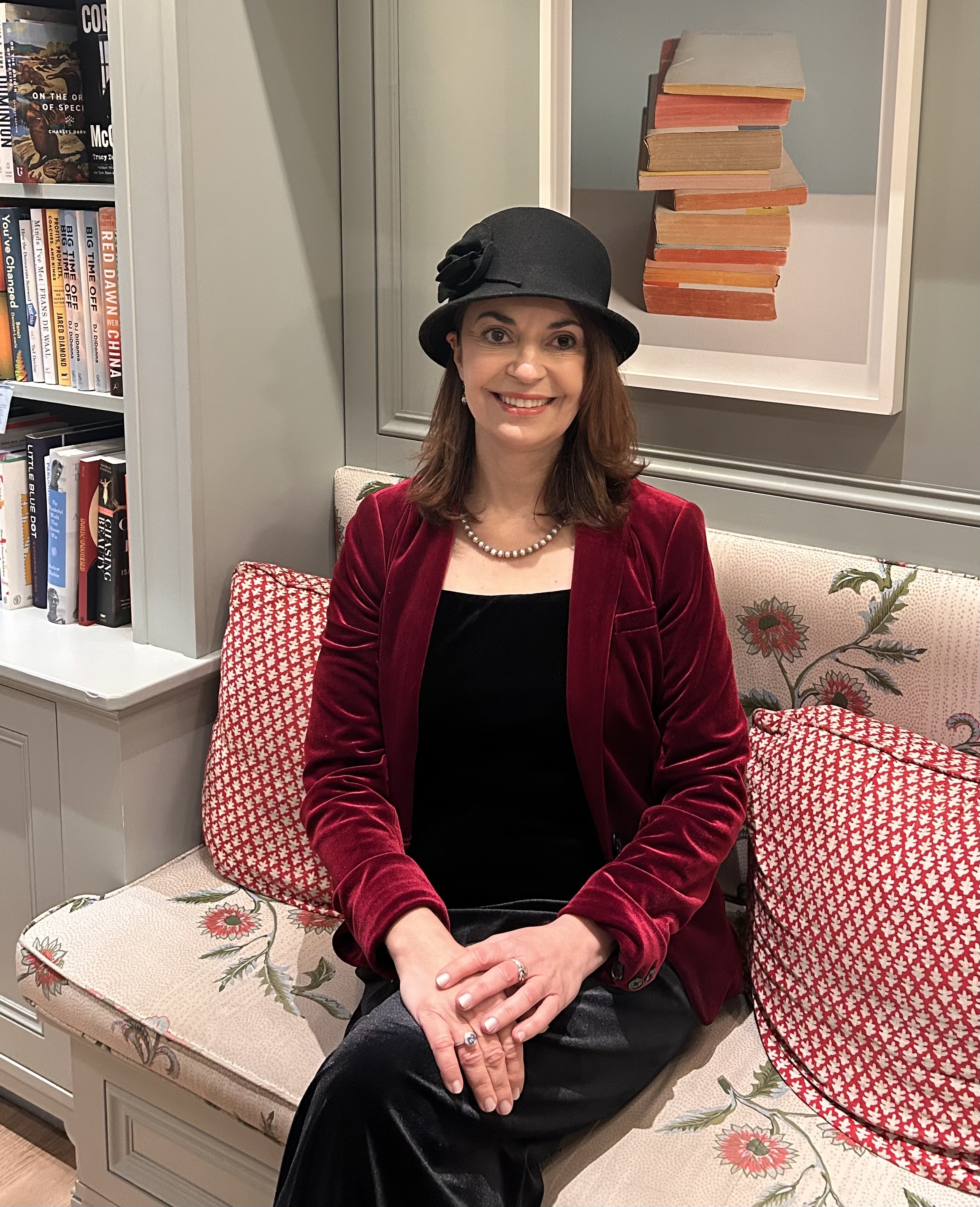
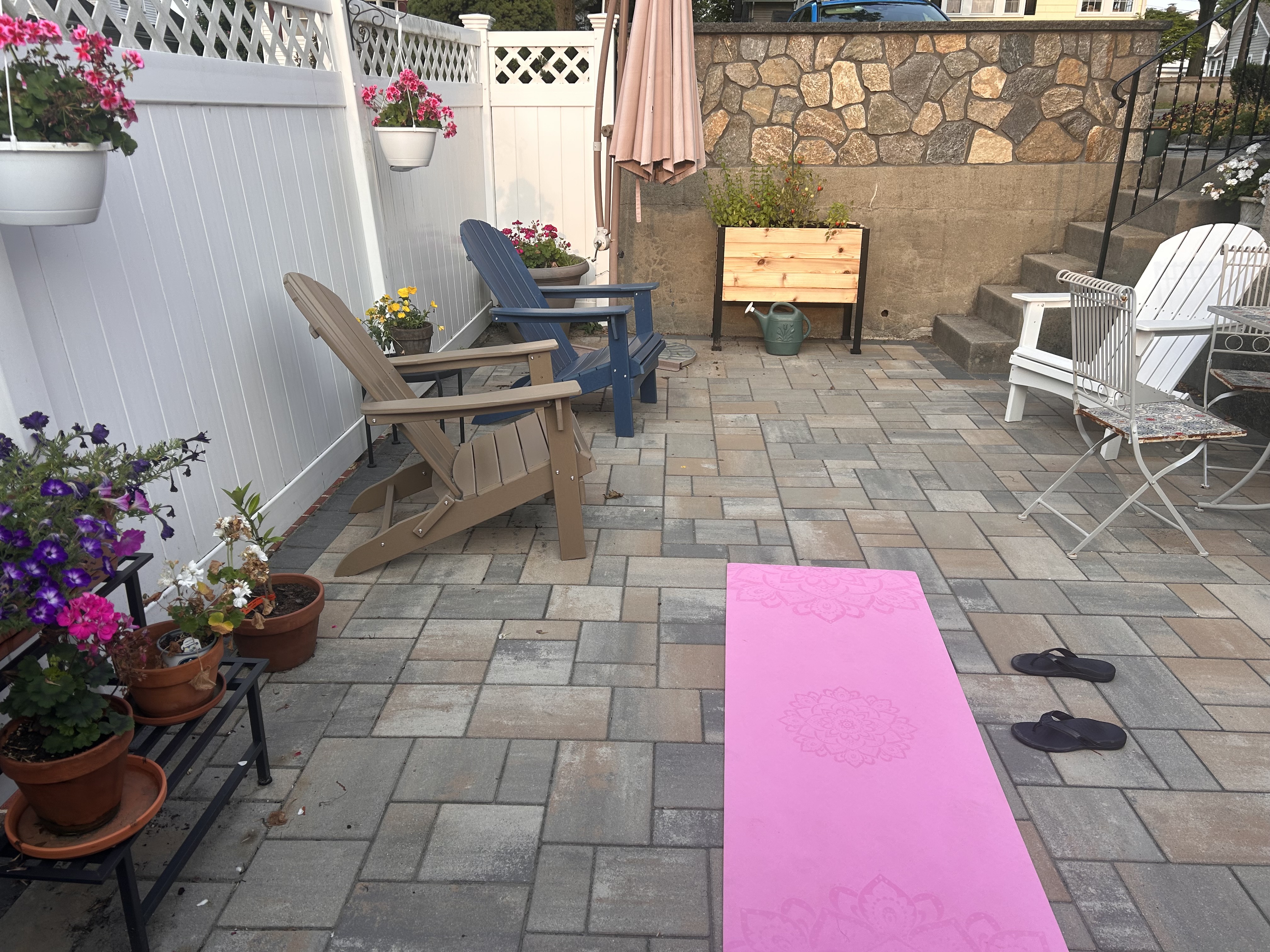
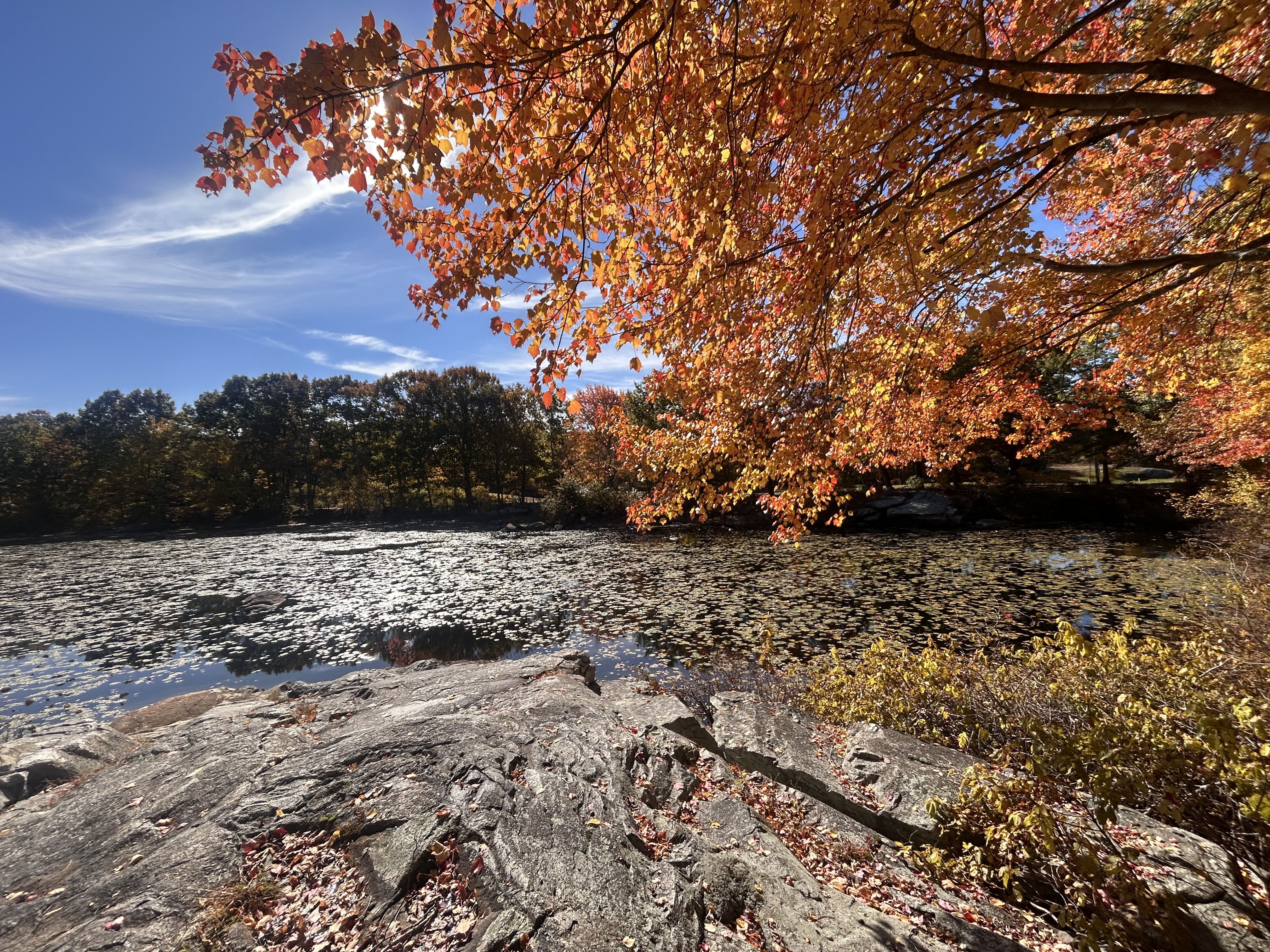
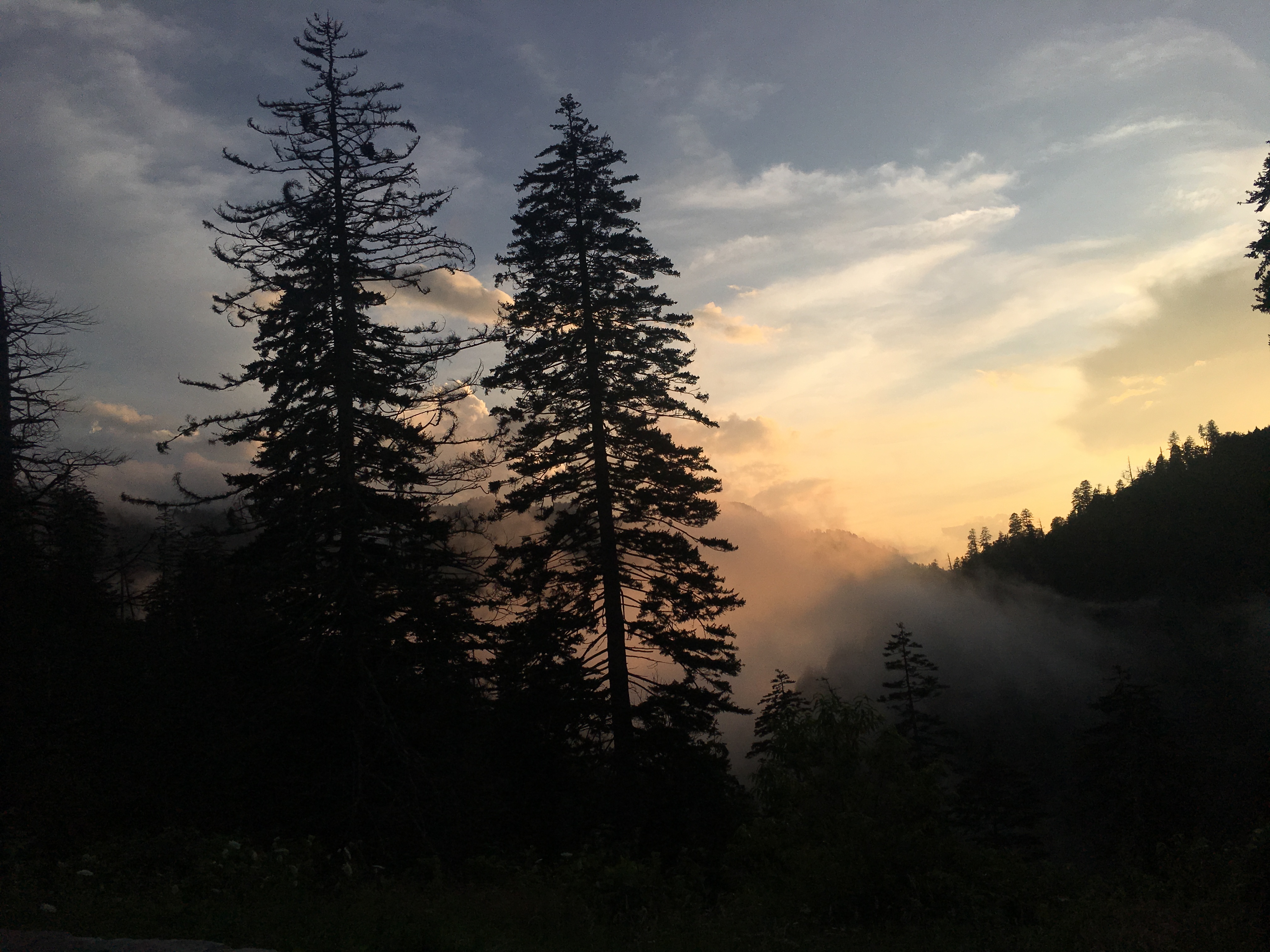
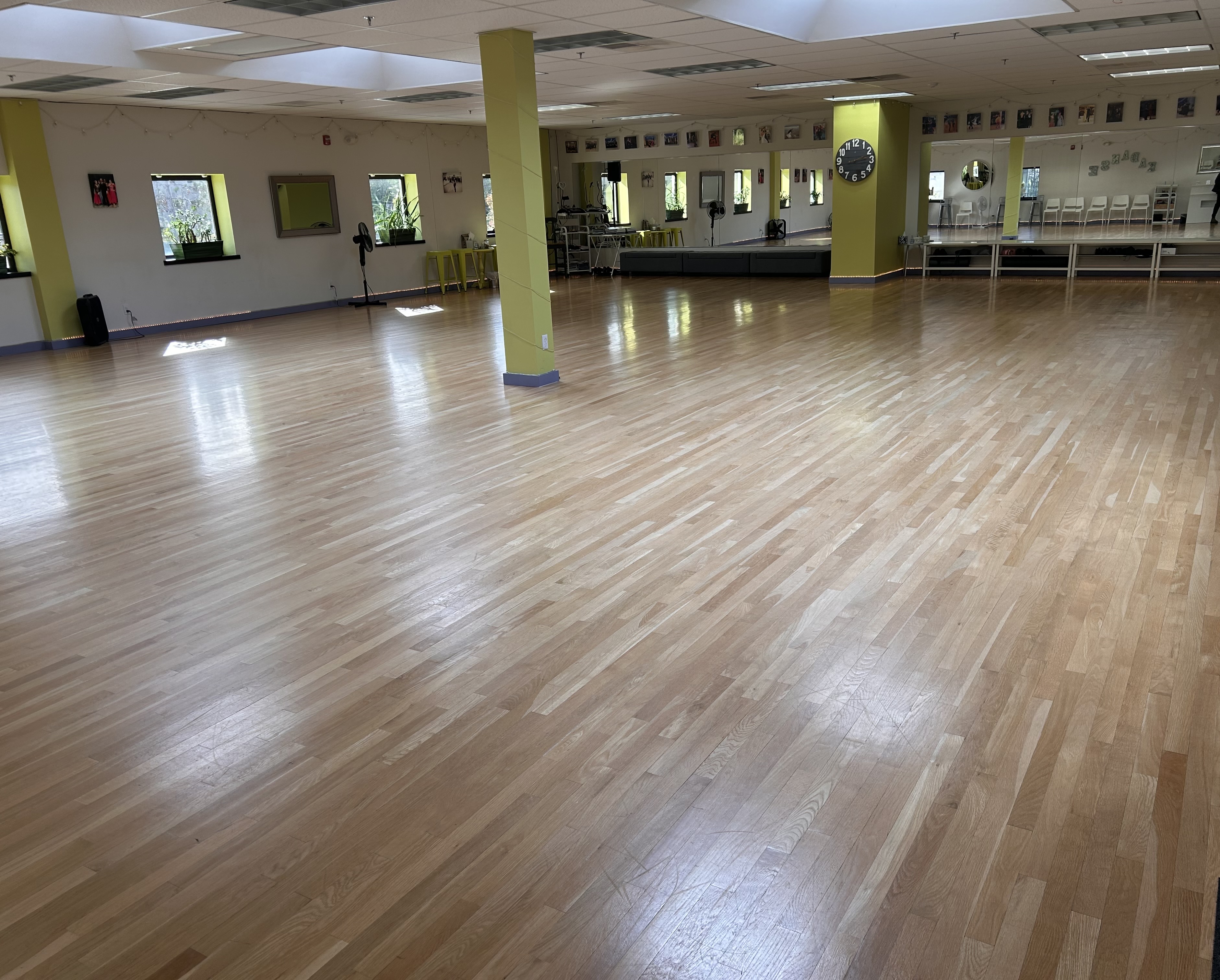
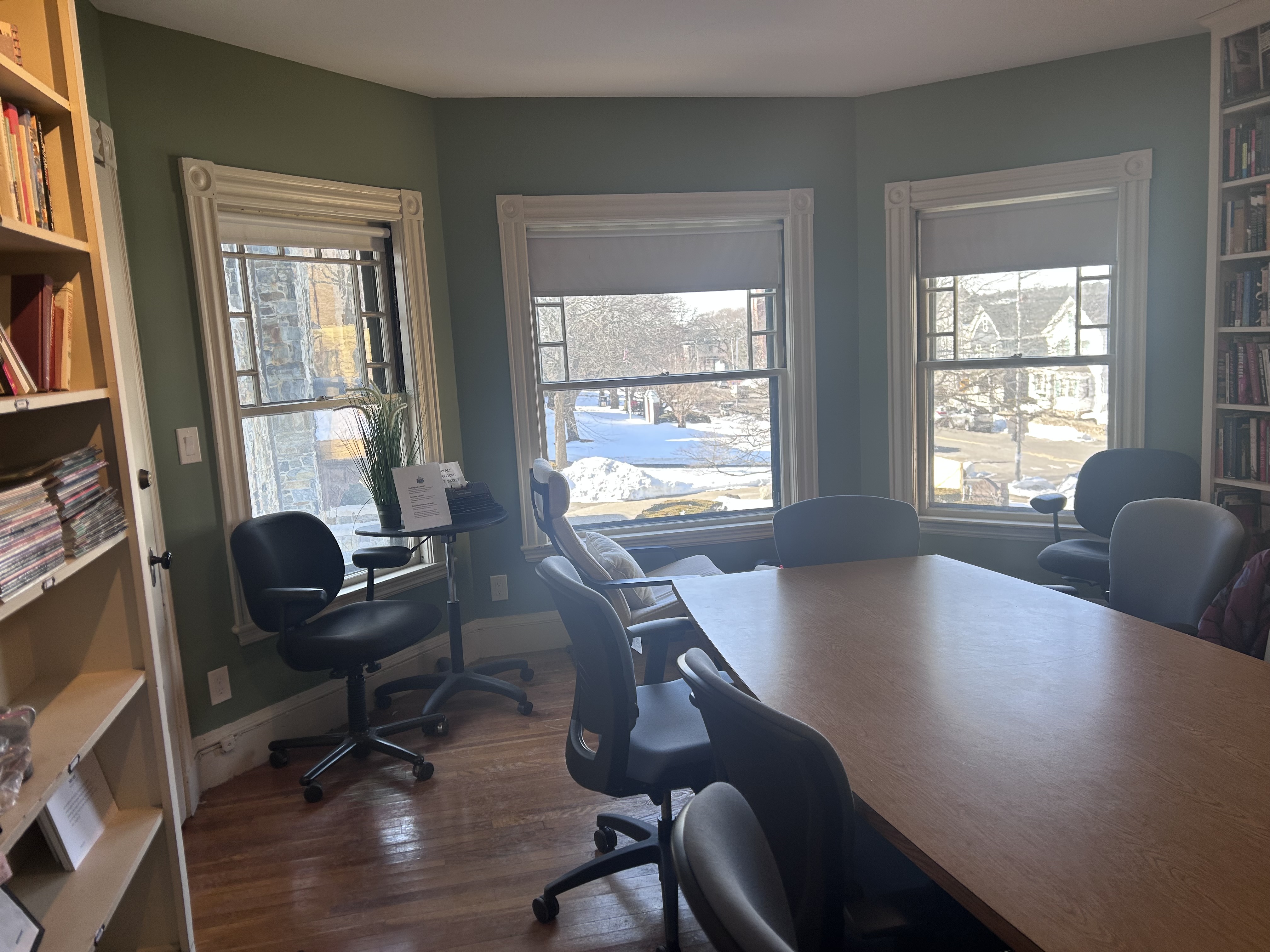
…physical locations include various peaceful spots in and around my home; the ballroom dance studio where I enjoy lessons; the writing studios where I share community with fellow creatives; cozy cafes, tea houses, and bookstores; and beautiful places in nature.
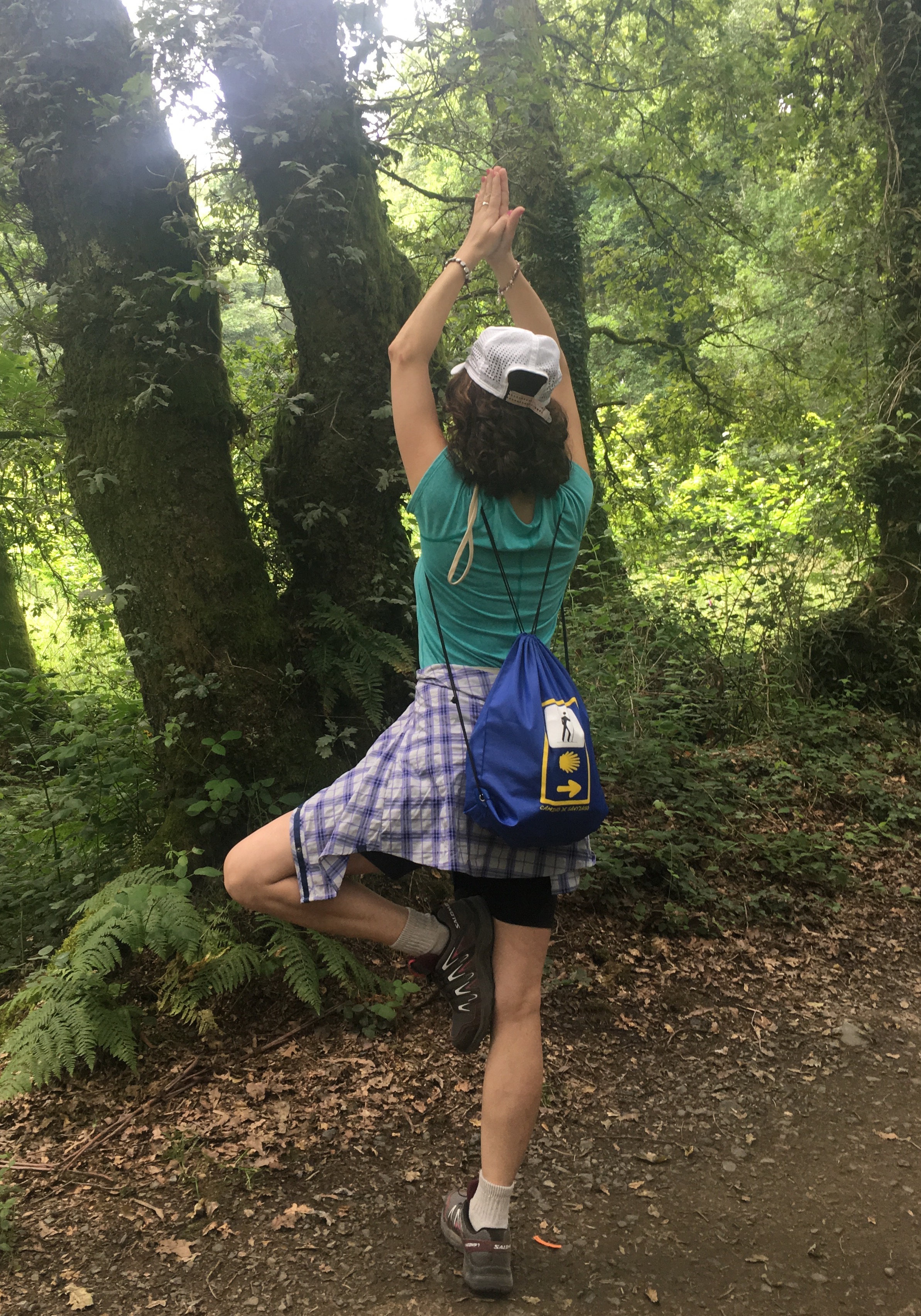
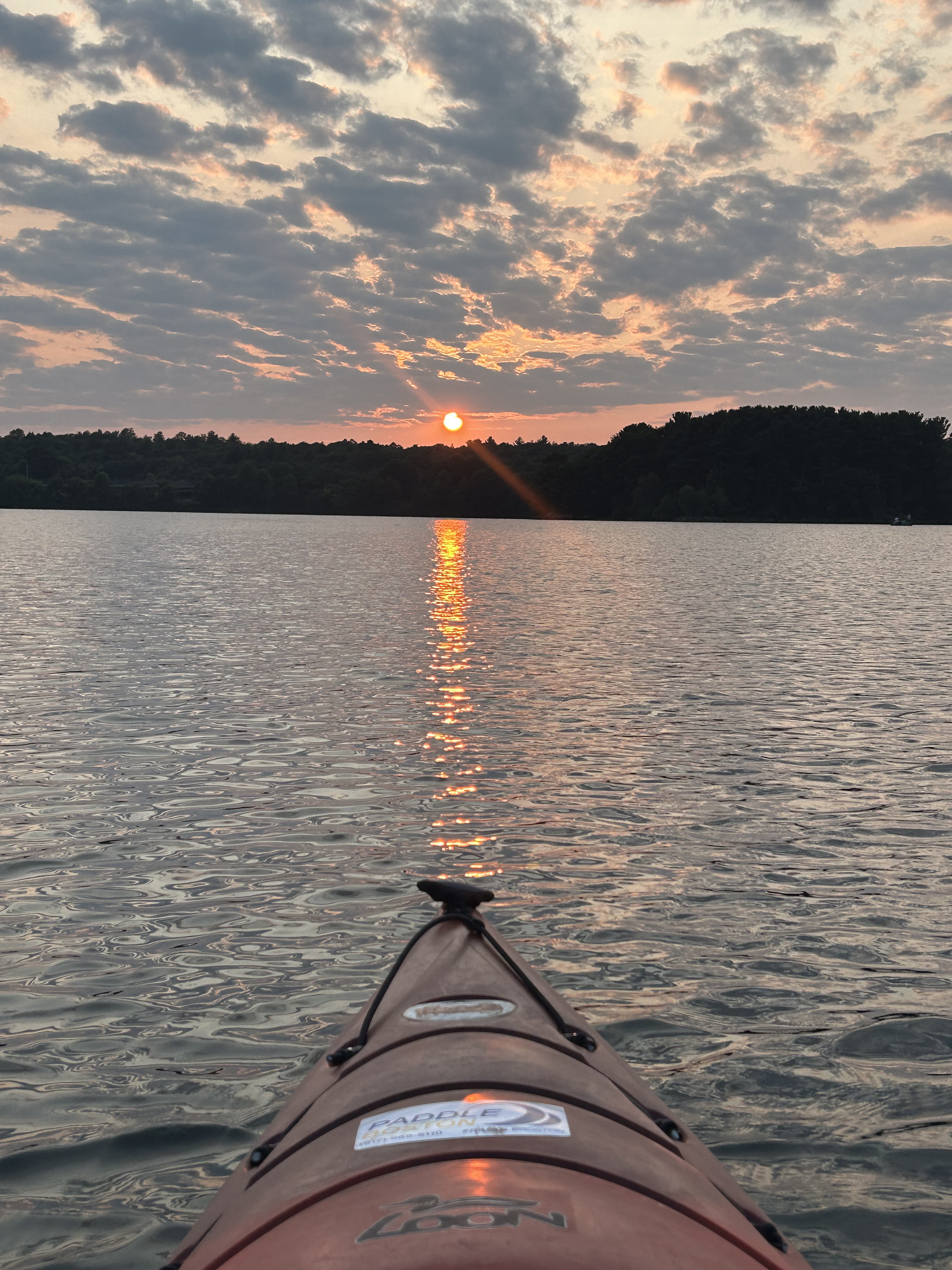
… activities include writing, walking, dancing, hiking in nature, pleasure reading, talking with loved ones, traveling, yoga, kayaking, watching comfort shows and movies, and sometimes cleaning my house and getting organized.
… experiences run the gamut from simple pleasures – such as drinking my morning coffee, or savoring moments in nature like a stunning sunset or star-filled night sky – to more extravagant pleasures, such as vacatioining and exploring new cities.
… people include my children, close friends, and trusted mentors. At my last book club gathering, the topic of imaginary childhood friends as sources of comfort and safety came up; most of the women, including myself, had at least one as a child.
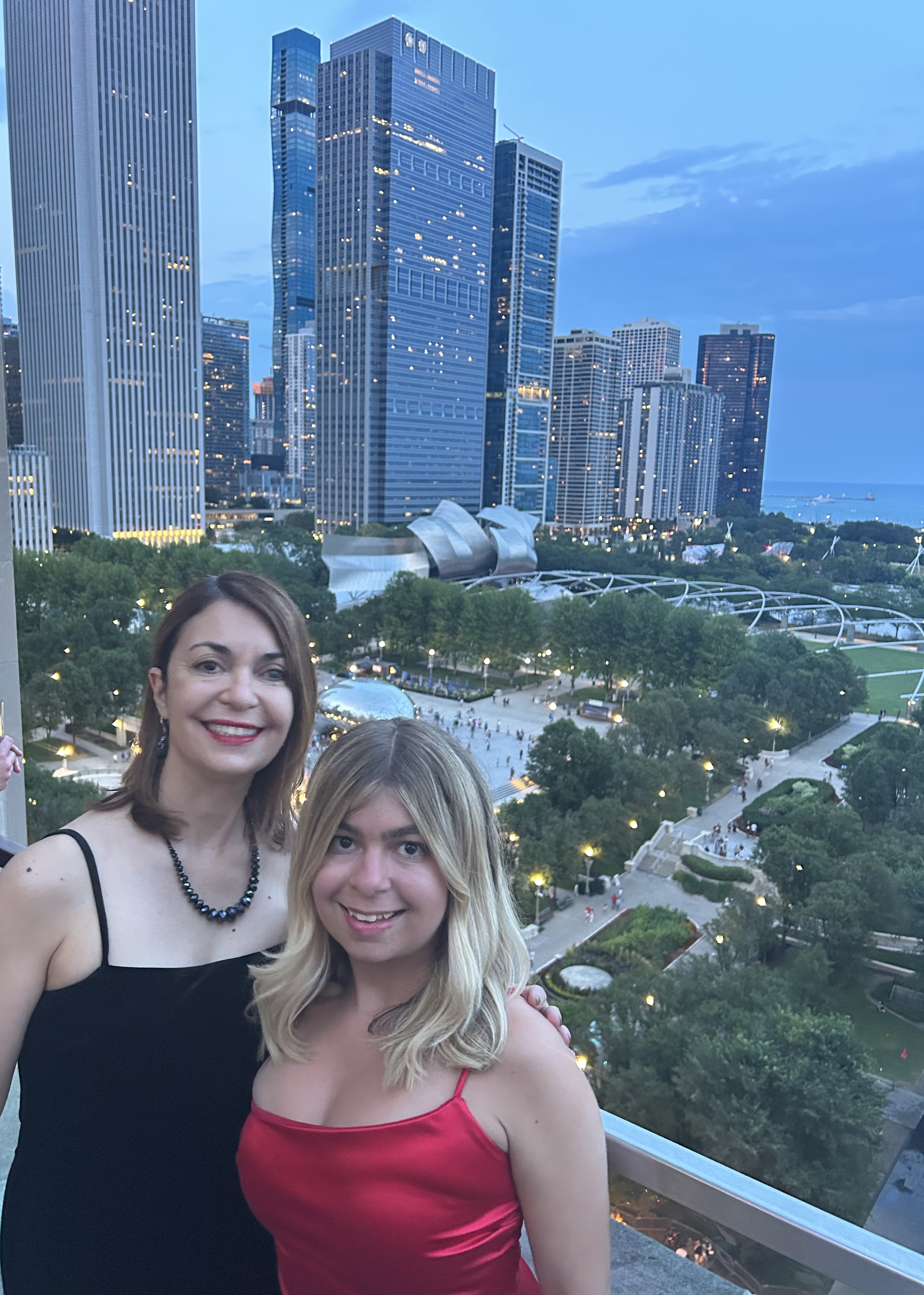
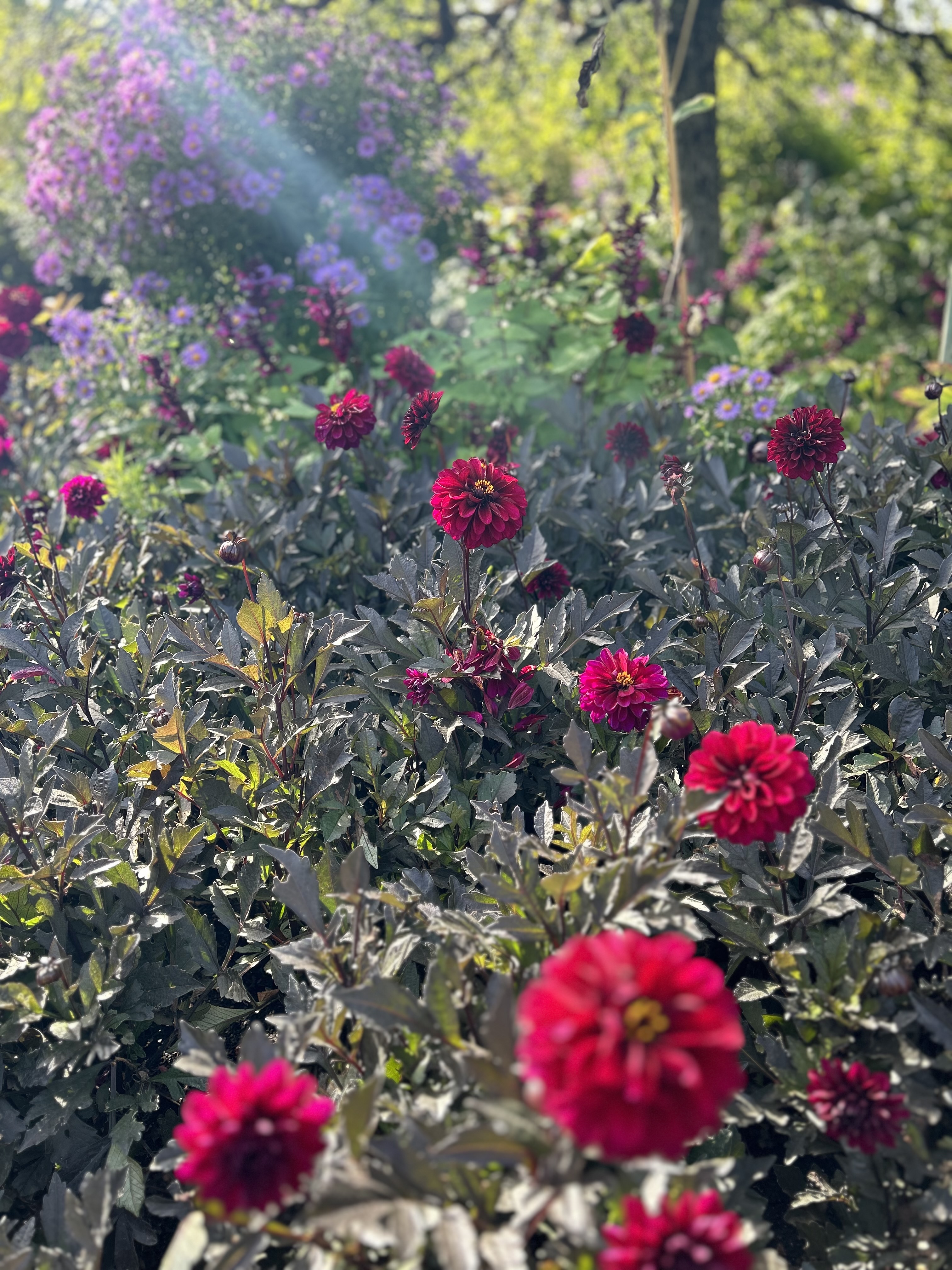
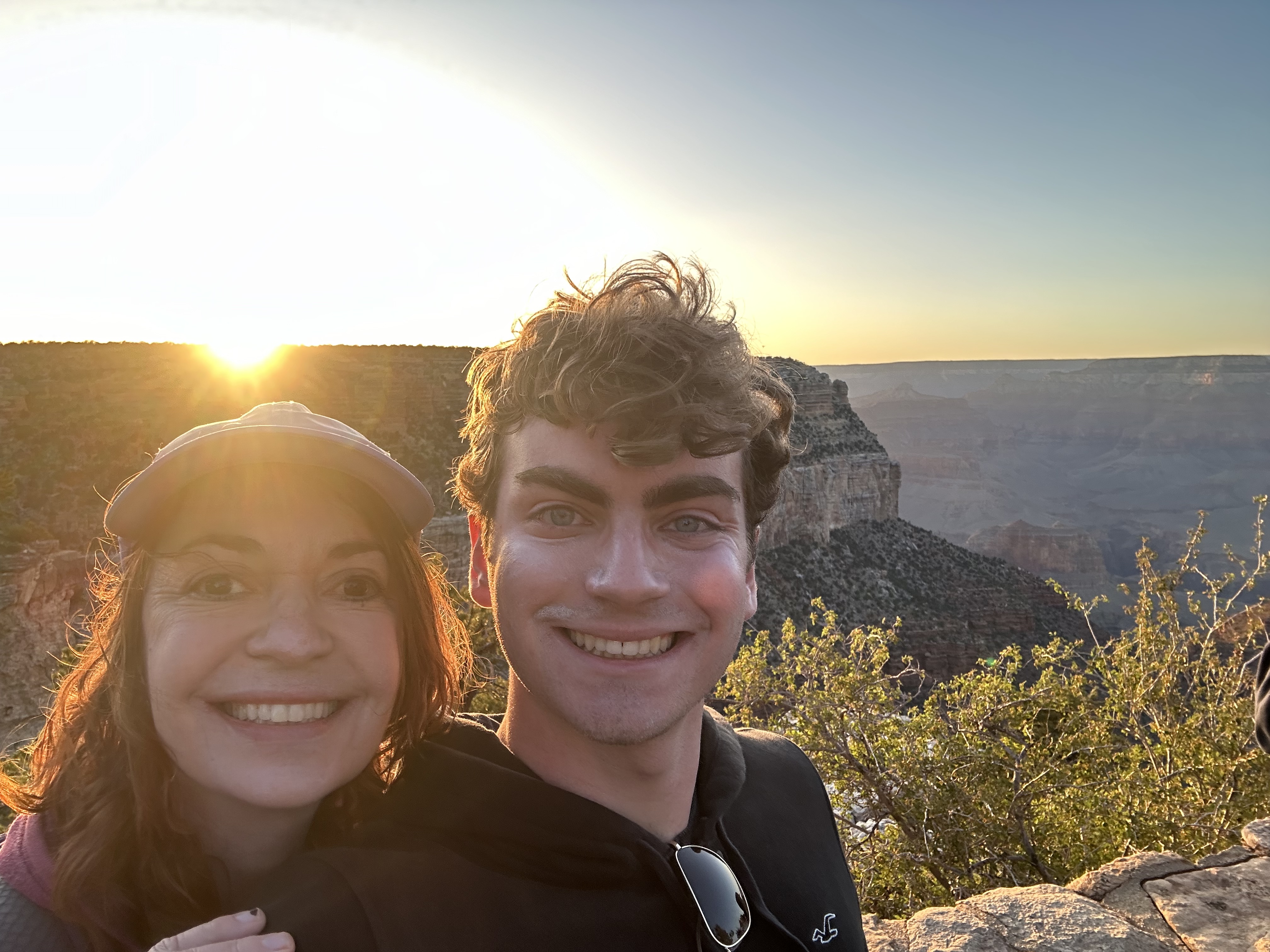
I’m grateful for all of these options to recharge when life gets overwhelming, and for the fact that I have so many happy places and memories, that it was hard to choose which pictures to include below. They remind me to slow down and appreciate the journey. While staying in the present moment is important, I think it’s also important to take healthy breaks from life’s stresses when needed.
Where, what, and who are your “happy places” in challenging times?



Leave a Reply